How to Turn Your Website Into a Lead-Generating Machine
Sarah Jenkins
Growth Strategist
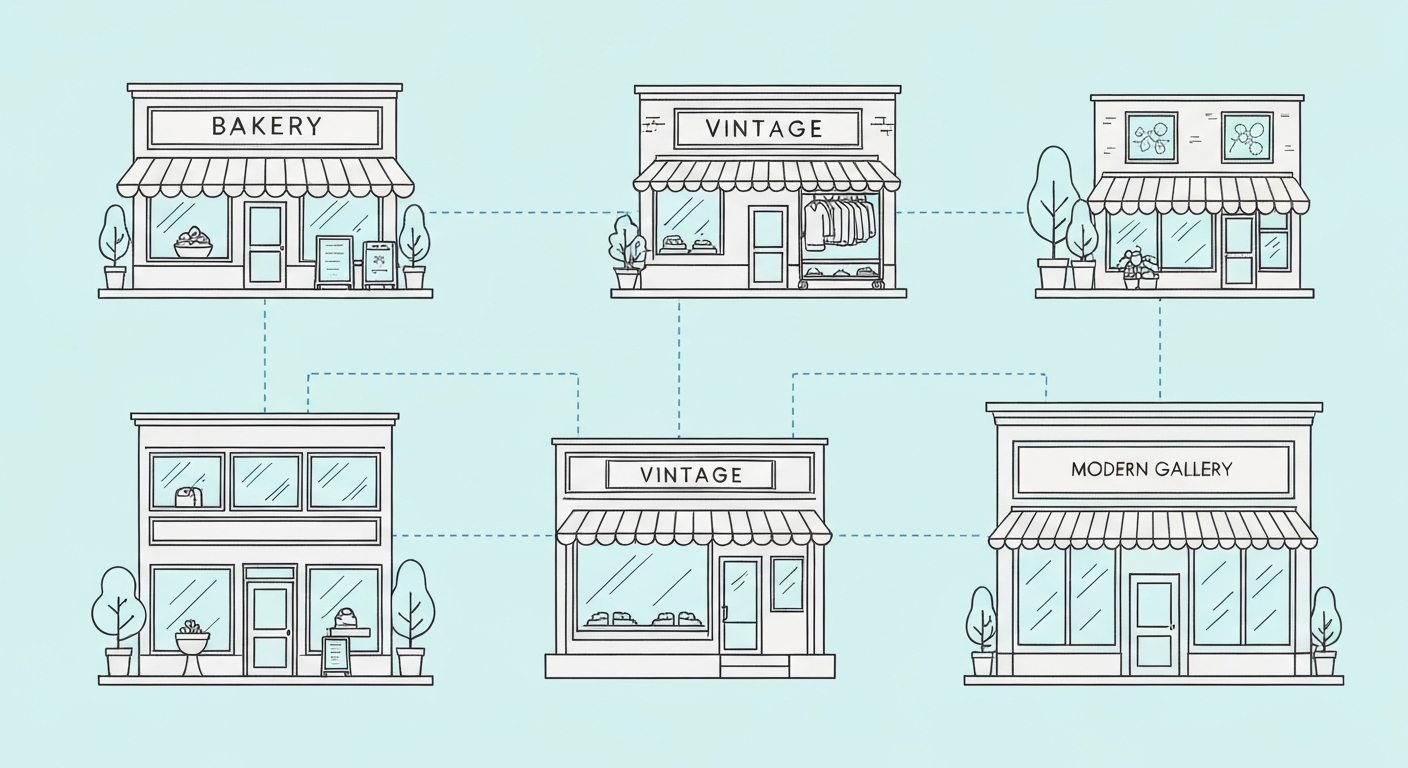
You paid good money for your website. It looks great, it has your logo, and it lists all your services. But if you look closely at your analytics, you might notice a terrifying trend: people are visiting your site, and then leaving without ever contacting you.
For most local service businesses, a website functions like a digital brochure. It tells people who you are, but it doesn't actually sell for you. In 2026, a static brochure isn't enough. Your website needs to be an active lead-generation machine that captures interest the second someone lands on it.
If your website traffic isn't translating into booked appointments or ringing phones, here are the five likely culprits—and exactly how to fix them.
1. You're Hiding the Next Step (Weak CTAs)
The biggest mistake we see on local business websites is a lack of clear direction. If a visitor has to hunt for your phone number or figure out how to book a consultation, they won't. They will simply click the "back" button and call your competitor.
The Fix:
Make your primary Call to Action (CTA) unmissable. Whether it's "Book a Free Audit," "Schedule Service," or "Get a Quote," that button should be in the top right corner of your navigation menu, front and center in your hero section, and at the bottom of every single page.
2. You Don't Offer Immediate Engagement
Most people hate calling on the phone, and filling out a long contact form feels like throwing an email into a black hole. If those are the only two ways to contact you, you are losing leads. Modern consumers expect immediate, frictionless communication.
The Fix:
Install a Webchat widget. But not just any webchat—one that instantly transitions the conversation to SMS text messages. This allows the visitor to ask a quick question on your site and leave, while you can reply directly to their phone. (CastaLink includes this feature right out of the box).
3. The Mobile Experience is an Afterthought
Over 60% of local searches happen on a mobile device. If your website was designed on a desktop and "adapted" for mobile, it's likely costing you customers. Tiny text, unclickable buttons, and slow load times on 5G connections will kill your conversion rate instantly.
The Fix:
Test your site on your own phone right now. Can you easily tap the "Call Now" button? Can you read the text without zooming in? Ensure your site is truly mobile-first, not just mobile-responsive.
4. You're Asking for a Marriage on the First Date
Not everyone who lands on your site is ready to buy today. Some are just researching their options. If your only CTA is "Buy Now" or "Book a Paid Consultation," you're alienating the top-of-funnel traffic that could become customers next month.
The Fix:
Offer a lower-friction "lead magnet." This could be an Interactive Quiz (e.g., "Find Your Hidden Revenue Leaks"), a free ROI calculator, or a downloadable guide. Capture their name and email in exchange for value, and let your automated nurture sequences do the heavy lifting over the next few weeks.
5. Zero Social Proof Above the Fold
Trust is the currency of local business. If a visitor lands on your site and the first thing they see is a generic stock photo and a vague headline, they have no reason to trust you.
The Fix:
Put your best reviews, trust badges, and "Before & After" results right at the top of your homepage. Don't bury your 5-star Google rating on a separate "Testimonials" page—put it front and center where it can actually influence the buying decision.
Stop Leaking Revenue
Your website should be your hardest-working employee—one that works 24/7, never takes a sick day, and constantly brings in qualified leads. By implementing clear CTAs, adding conversational webchat, optimizing for mobile, offering low-friction opt-ins, and leading with social proof, you can transform your site from a static brochure into a true growth engine.
Read More Articles
How to Stop Losing Leads After Hours
Discover how AI booking assistants can capture and convert leads while you sleep.

The 5-Minute Follow-Up Rule is Dead
Why instant text-backs are replacing the traditional 5-minute follow-up rule in local service businesses.
